


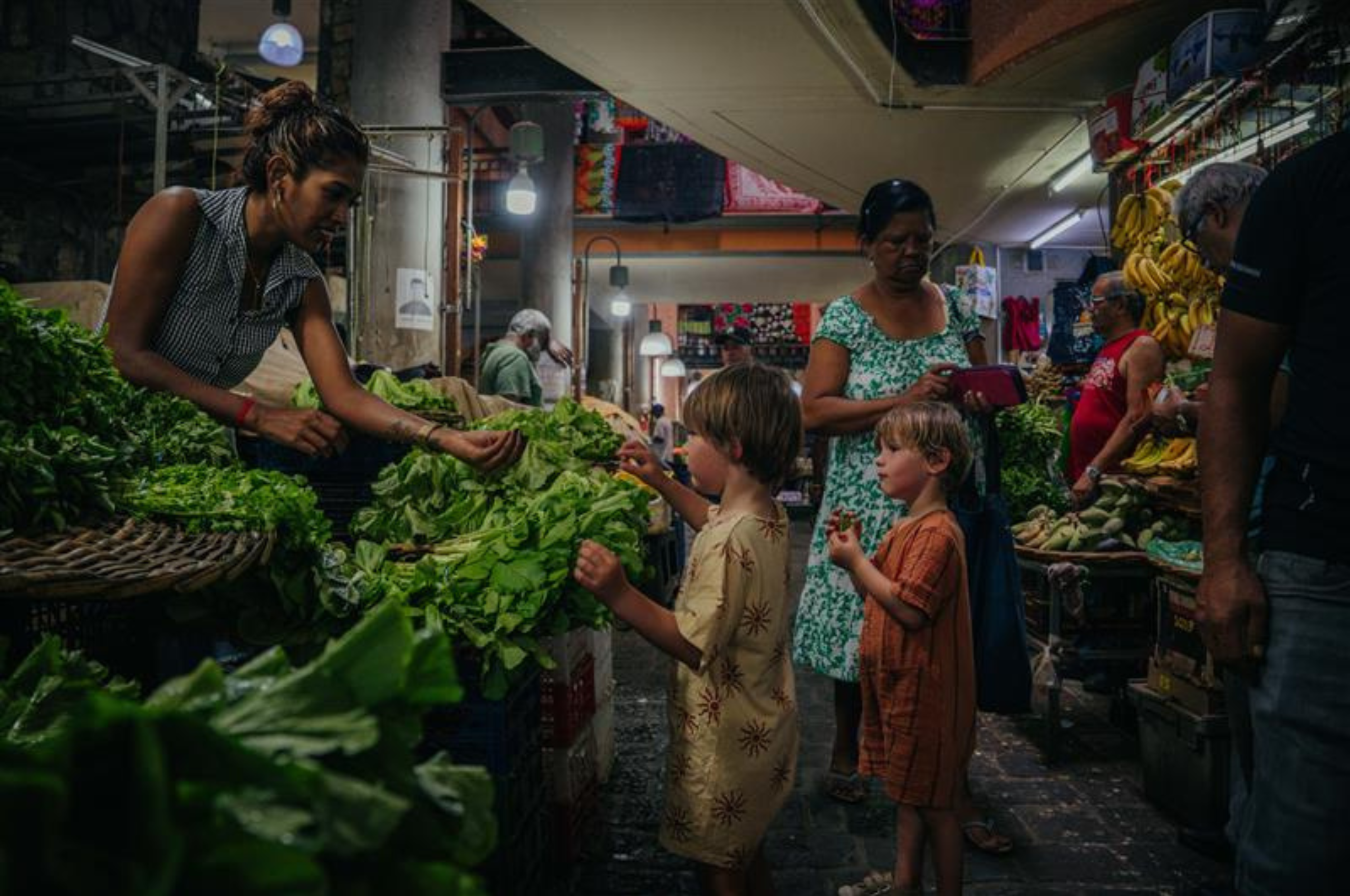
You might think you know Mauritius — its beaches, palm trees, and crystal-clear lagoons. But the island has so much more to offer. Beyond its postcard image lies a vibrant culture shaped by many influences, where everyday life is full of small surprises, traditions, and moments of connection.
This isn’t a guidebook. It’s an invitation to experience Mauritius differently — to notice the details, embrace the differences, and slowly find your rhythm on the island.
Because often, what surprises you at first becomes what you love the most.
A multicultural island
Very quickly, you realise that Mauritian culture can’t be reduced to a single influence. It’s a blend of Indian, African, Chinese and European roots, all coexisting and shaping daily life.
You see it in the food, hear it in the languages, and feel it in the celebrations and traditions.
This diversity comes from a rich and complex history — and today, it’s what gives the island its unique energy.
The little everyday differences you’ll notice
Sunday picnics, Mauritian-style
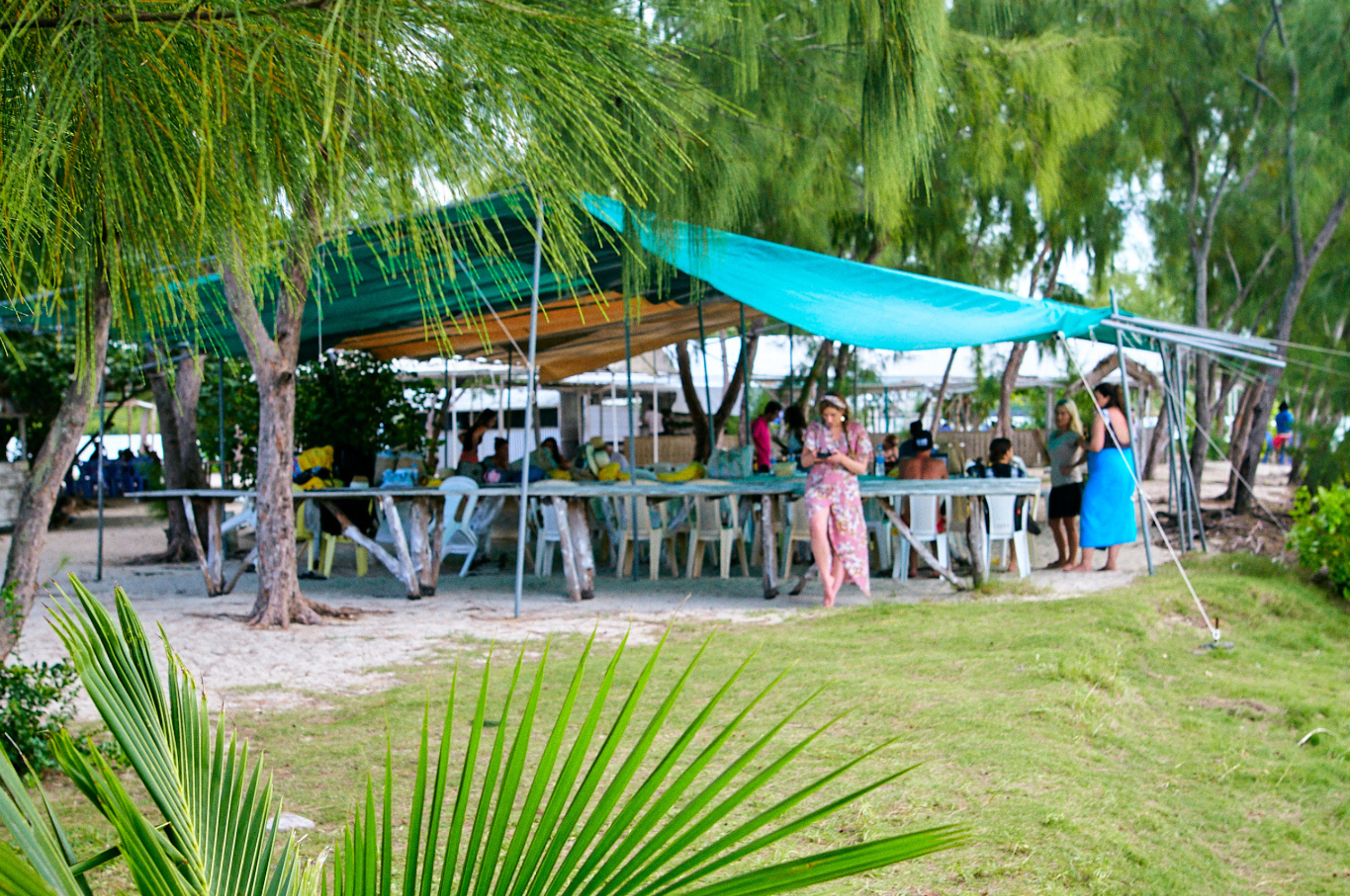
On Sundays, some beaches turn into open-air living rooms. Families gather with tents, folding tables, coolers, home-cooked meals, music, and games.
At first, it might feel like a special event. But here, it’s simply Sunday.
Extended families, neighbours, sometimes even colleagues — everyone comes together.
It’s one of the most beautiful expressions of Mauritian culture: sharing, togetherness, and making time for what matters.
A different rhythm of life
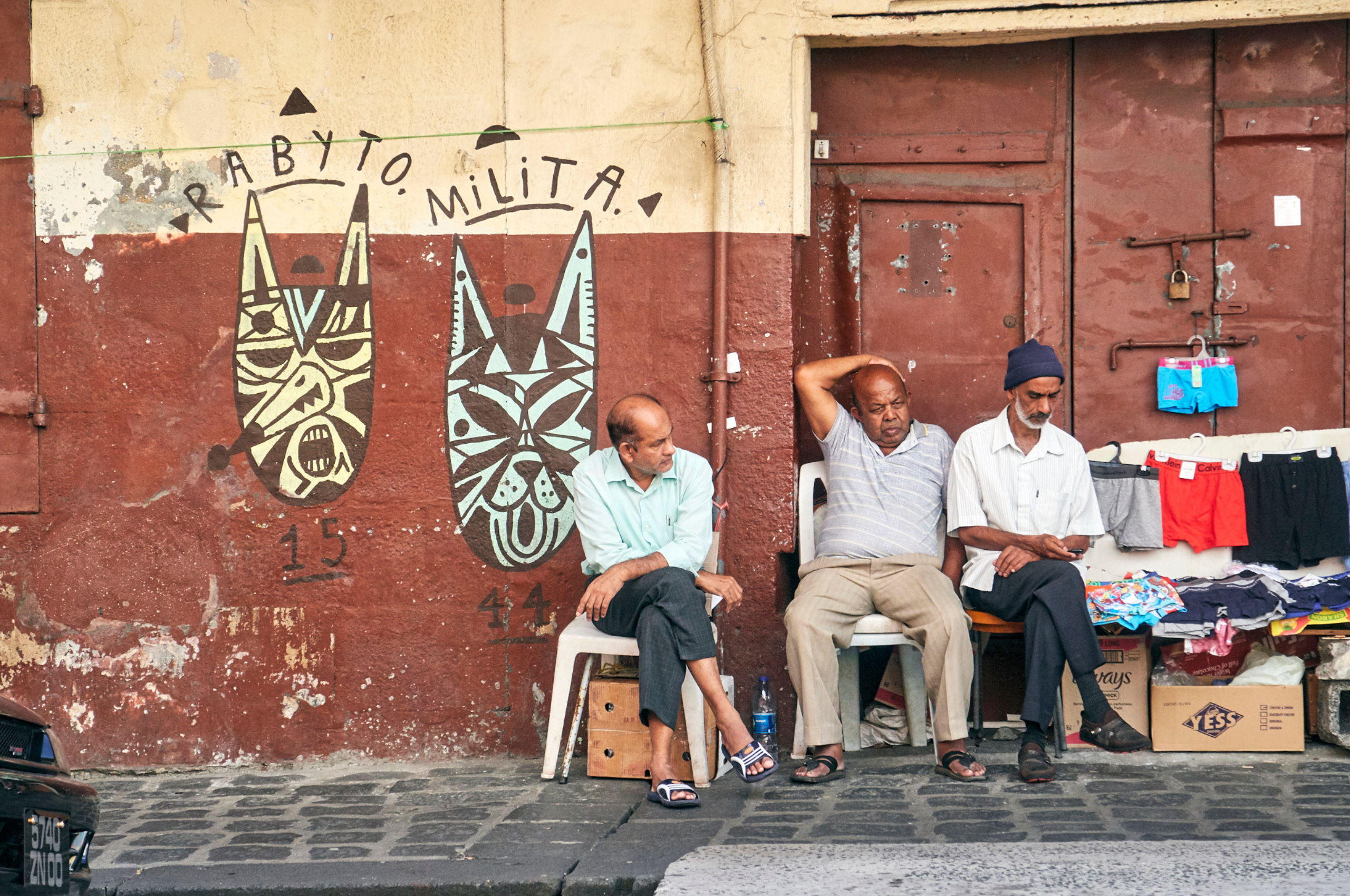
Time feels… different here.
At first, you might find yourself checking your watch more often than usual. But quickly, you realise it’s not about being late — it’s about a more flexible, human way of experiencing time.
Things unfold more naturally, often guided by the moment rather than the clock.
Spice, Mauritian-style
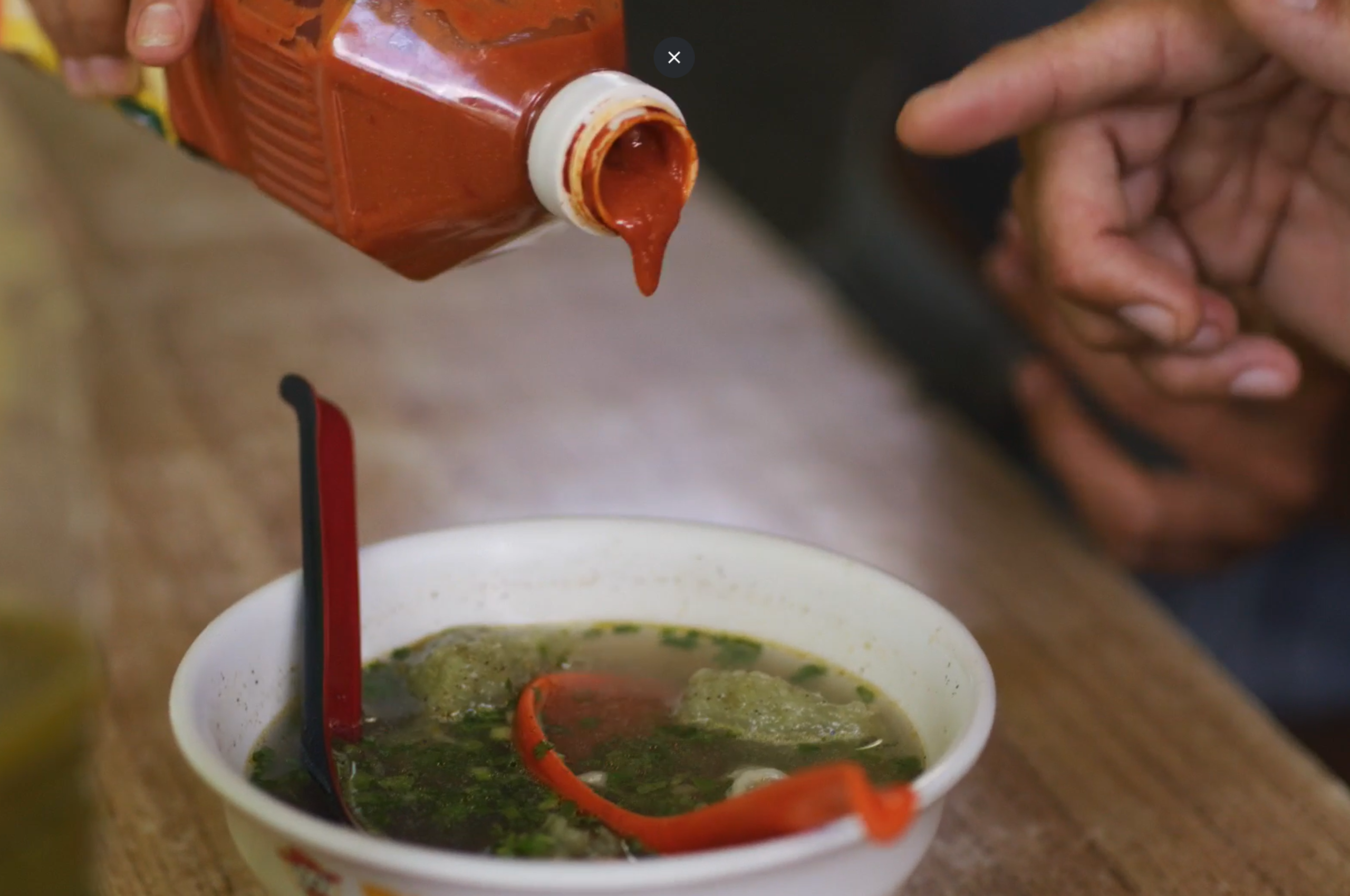
Think you can handle chili? Mauritius might make you rethink that.
From curries to rougails, achards and homemade sauces, spice is everywhere — but always intentional, always part of the experience.
A small tip: start slow. Here, “not too spicy” can mean something very different.
A natural sense of familiarity
“Ayo”, “Boss”, “Sef”… You’ll hear these expressions often.
Interactions are warm, direct, and often filled with humour. People tend to switch to a more informal tone quickly, sometimes from the very first conversation.
Formality still exists — especially with elders or in certain contexts — but overall, human connection comes first.
Driving in Mauritius
Driving here can feel like an adventure at first.
Left-side driving, narrow roads, unexpected potholes, dogs crossing, scooters weaving through traffic… it takes a little getting used to.
Roundabouts are everywhere — a legacy of British influence — and they actually work quite well, even during power cuts.
And the horn? It’s less about frustration and more about communication — a quick signal to say “I’m here” rather than “move!”.
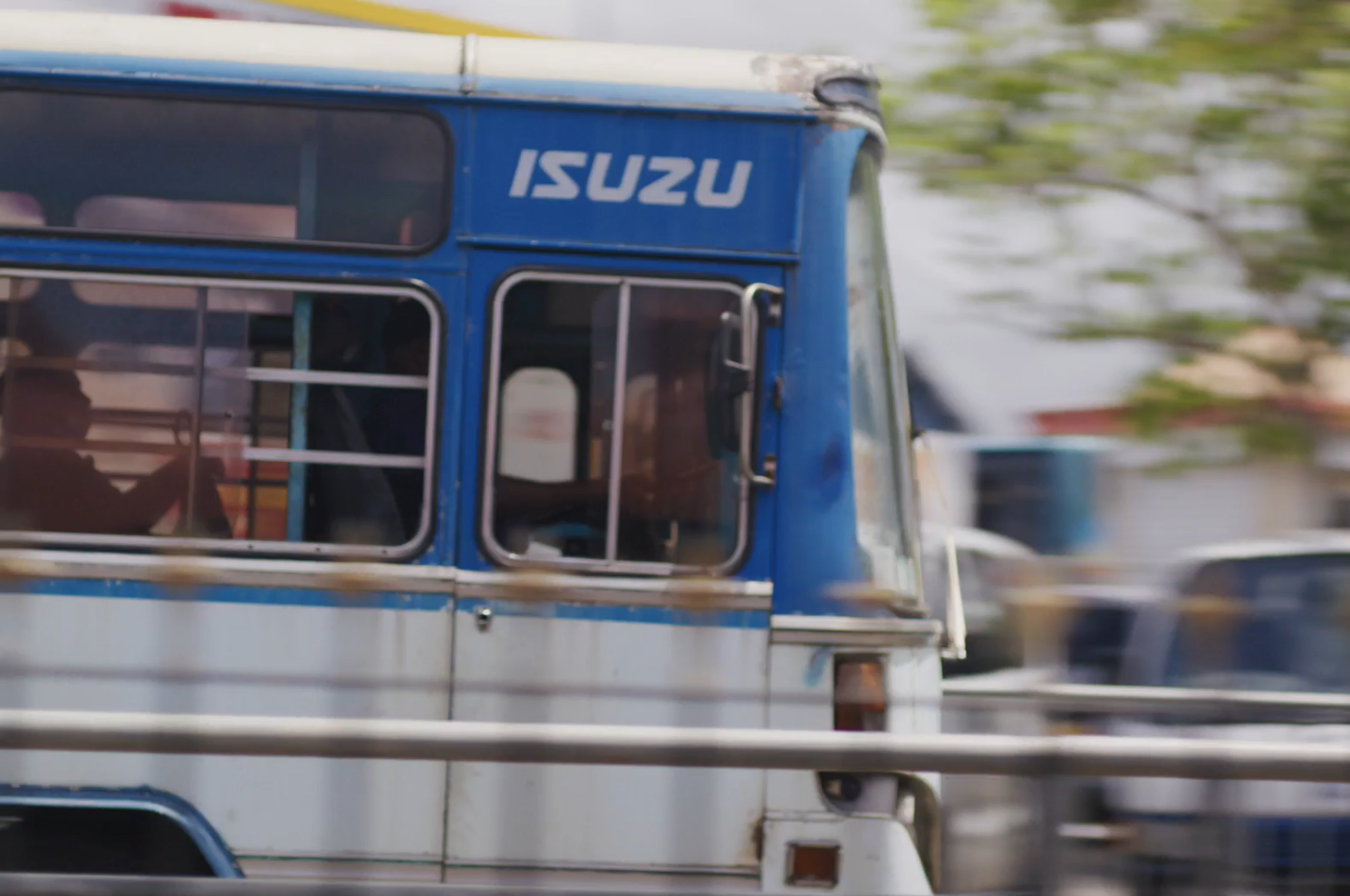
Flexible schedules
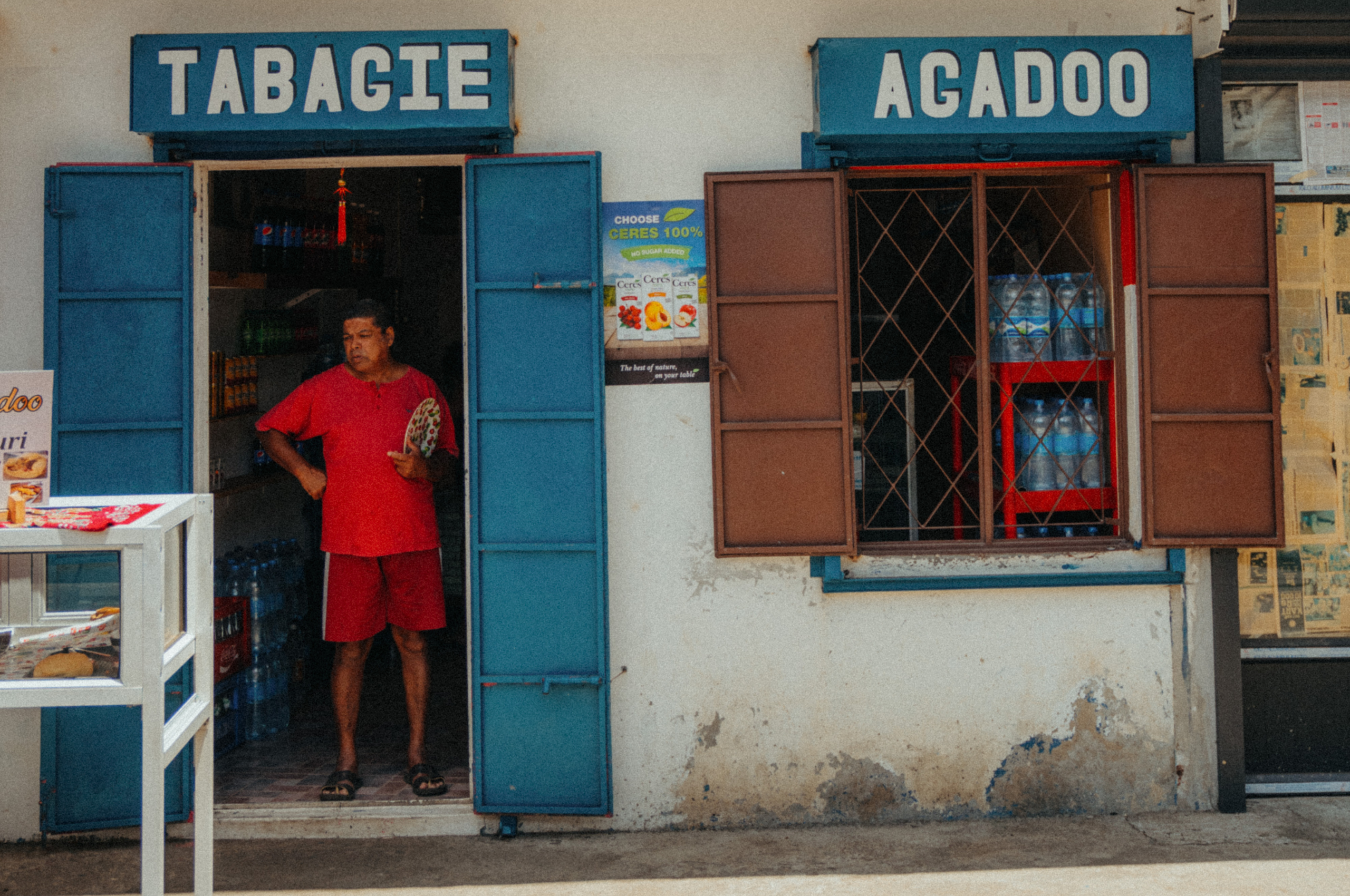
Shops don’t always follow fixed hours, and meal times can vary depending on family habits.
You learn to adapt, to go with the flow… and to always have a plan B (just in case).
Here, daily life often revolves more around people than around schedules.
The warmth of human interaction
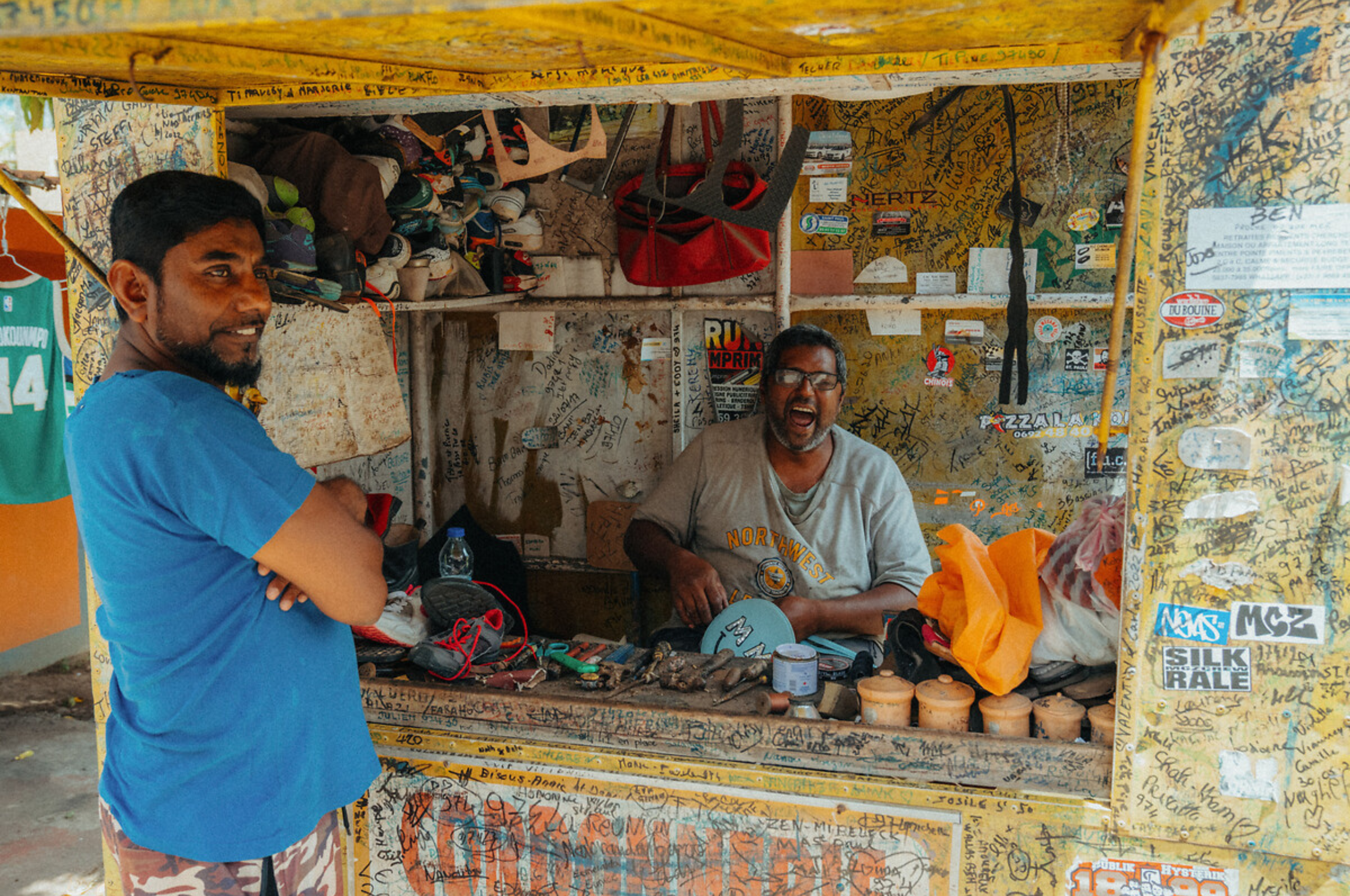
What often stands out the most isn’t a place — it’s the people.
Conversations start easily. A simple greeting can turn into a longer exchange than expected.
Of course, every interaction is different, and it depends on context and personality. But Mauritian warmth is very real — and it’s something you feel.
A calendar shaped by celebrations
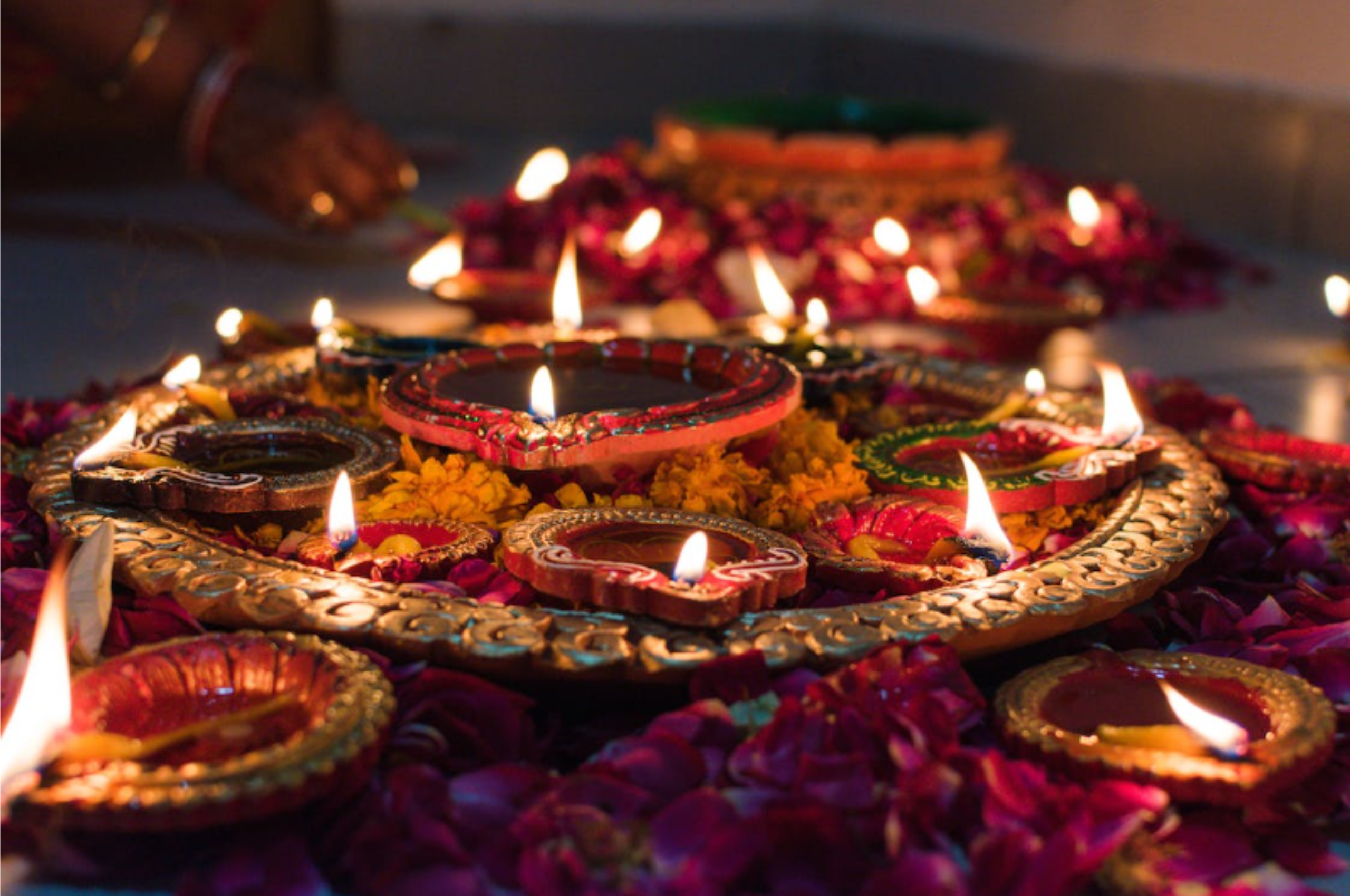
Living in Mauritius means experiencing a year filled with celebrations.
Divali, Eid, Cavadee, Christmas, Chinese New Year… Almost every month brings new colours, flavours, and moments of sharing.
These aren’t just public holidays — they’re lived, shared experiences that fill the streets, homes, and conversations.
A visible connection to the sacred
Spirituality is present everywhere on the island — not only in temples and mosques, but also along roadsides, under trees, or near rivers.
You’ll notice small altars, offerings, and places of prayer.
A few simple gestures go a long way:
remove your shoes before entering a temple, cover your shoulders and knees, avoid touching offerings, and always ask before taking photos.
Observing with respect is often the best way to understand.
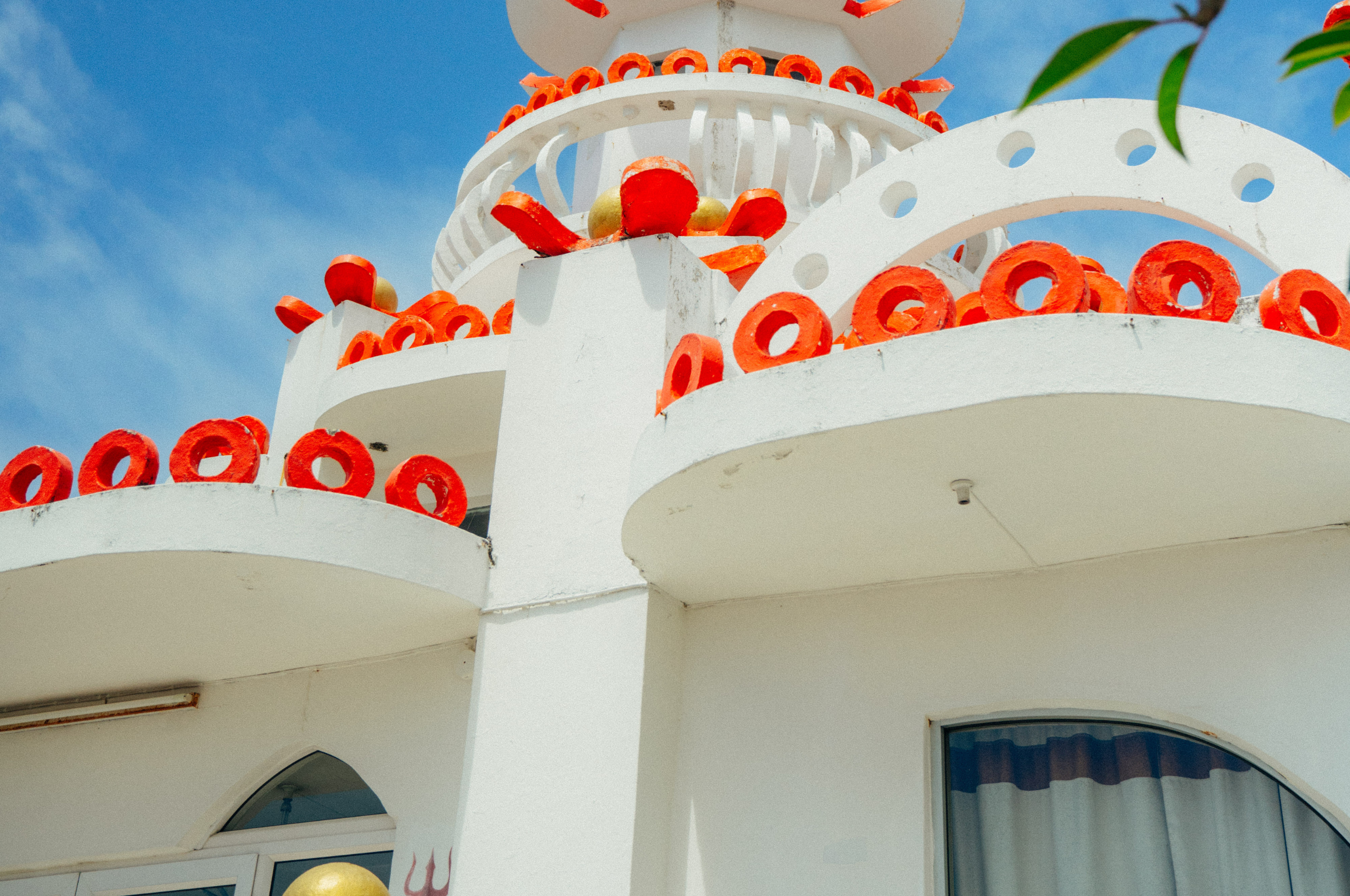
A gentle way to experience the island
You don’t need to understand everything right away.
You don’t need to adopt every habit either.
But arriving with curiosity — and without too many expectations — often makes all the difference.
Mauritius isn’t just a destination to visit. It’s a place to experience, to feel, and to slowly connect with.
And in the end, it’s often these small cultural differences that stay with you the longest.
What characterizes Mauritian culture?
Mauritian culture blends Indian, African, Chinese, and European influences, reflected in its cuisine, languages, and traditions.
This diversity is part of everyday life — in celebrations, social habits, and daily interactions.
It is a vibrant culture shaped by connection, coexistence, and subtle nuances.
Why is Sunday so important in Mauritius?
In Mauritius, Sundays are often seen as a real pause before the start of a new week — a time dedicated to family and close friends.
It is a moment to slow down, spend time together, and enjoy the outdoors.
This tradition reflects a lifestyle where shared moments and community still play an important role in weekly life.
Is Mauritian cuisine really spicy?
 Written with love by Manon Antoine





Comments